Water Pressure Problems That Start Small and Turn Expensive

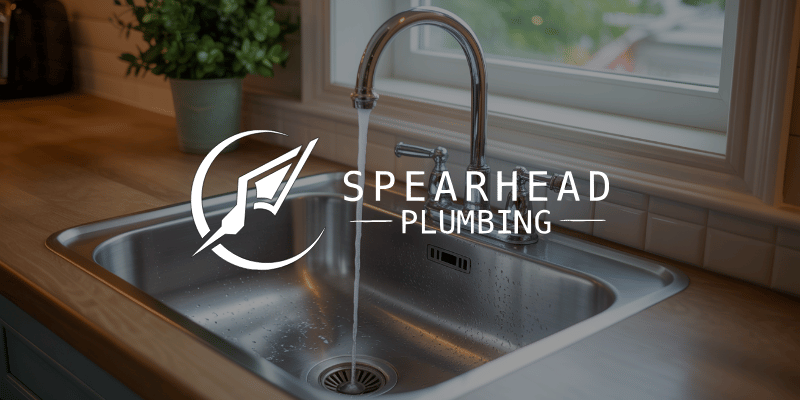
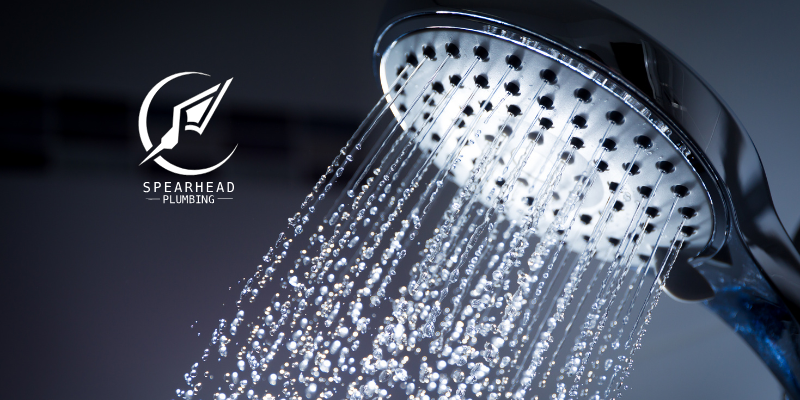
Water pressure problems rarely show up all at once. They usually begin as small inconveniences that are easy to ignore. A shower that feels weaker than it used to. A faucet that takes longer to rinse dishes. A washing machine that seems less effective than before.
For many homeowners in St. Charles County, these early signs are the beginning of a much larger plumbing issue. Left unaddressed, minor pressure changes can lead to leaks, damaged appliances, pipe failures, and costly repairs that could have been avoided.
Understanding what causes water pressure problems, how they progress, and how plumbers diagnose them helps you act early and protect your home.
What Normal Water Pressure Should Feel Like
Most residential plumbing systems operate best between 40 and 60 PSI. Within this range, water flows efficiently without stressing pipes, valves, or fixtures.
Problems begin when pressure falls below this range or spikes above it. Both scenarios can damage your plumbing system, just in different ways.
Low pressure makes everyday tasks frustrating. High pressure quietly destroys components behind the scenes.
Early Signs of Water Pressure Problems
Pressure issues often develop gradually, which is why homeowners adapt without realizing something is wrong.
Common early warning signs include:
- Showers that feel weaker than they used to
- Faucets that take longer to fill sinks or tubs
- Inconsistent water flow when multiple fixtures are used
- Washing machines or dishwashers performing poorly
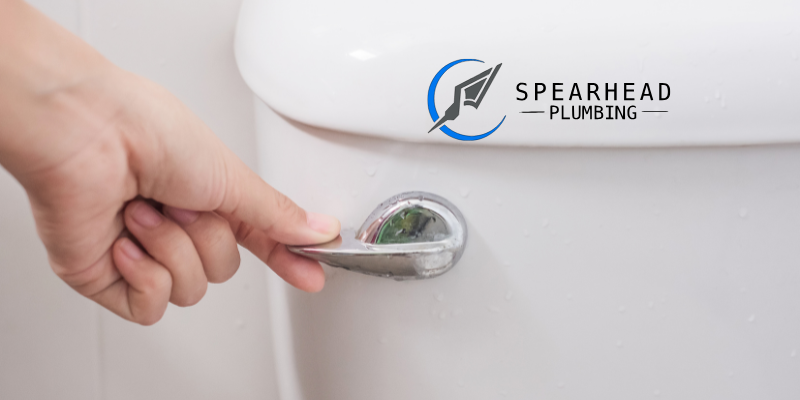
- Toilets that take longer to refill
These symptoms may seem minor, but they rarely improve on their own.
Why Small Pressure Issues Become Big Problems
Water pressure affects every part of your plumbing system. When it is not properly regulated, stress builds over time.
Low pressure often indicates restrictions, leaks, or failing components. High pressure accelerates wear and tear on pipes and fixtures.
Both conditions increase the likelihood of costly repairs if ignored.
Common Causes of Water Pressure Problems
Hidden Leaks in the Plumbing System
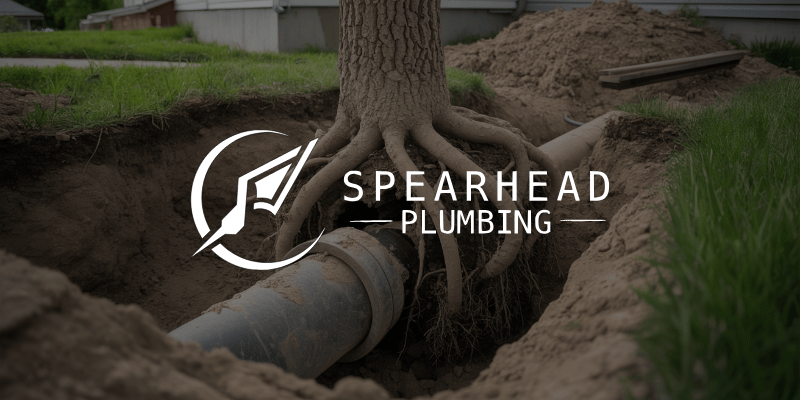
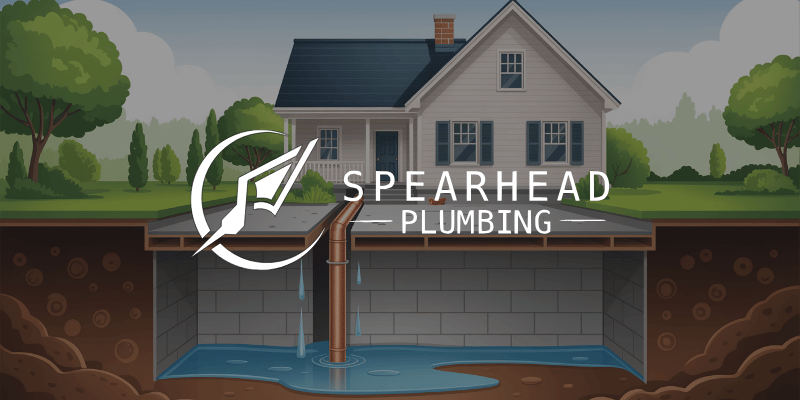
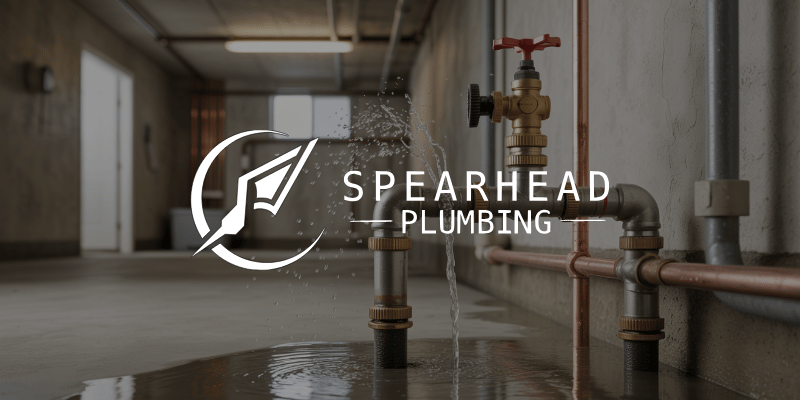
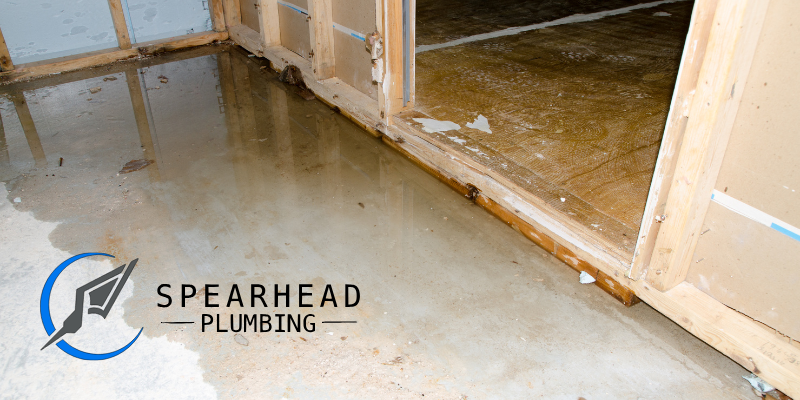
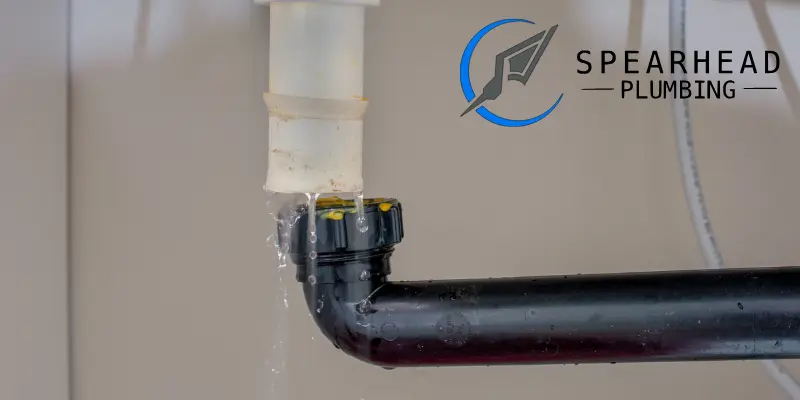
One of the most common causes of pressure loss is a hidden leak. Water escaping behind walls, under floors, or underground reduces the amount reaching your fixtures.
These leaks often go unnoticed until damage or higher water bills appear. Leak detection is a key part of professional leak repair services.
Aging or Corroded Pipes
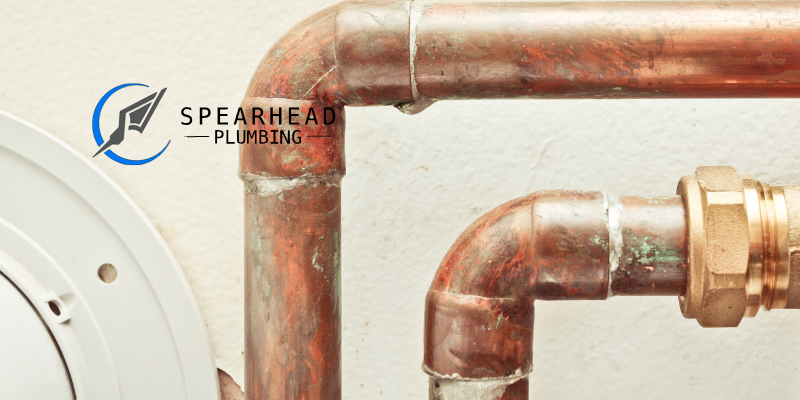
Older homes in St. Charles often have galvanized steel or aging copper pipes. Over time, corrosion and mineral buildup narrow the pipe interior, restricting flow.
This gradual narrowing reduces pressure and increases the risk of pipe failure.
Mineral Buildup From Hard Water
Missouri hard water leaves mineral deposits inside pipes, valves, and fixtures. These deposits restrict water flow and prevent seals from working properly.
Even newer homes can experience pressure issues due to mineral accumulation.
Faulty Pressure Regulators
Many homes use pressure regulating valves to control incoming water pressure. When these regulators fail, pressure can drop too low or rise dangerously high.
A failed regulator often causes inconsistent pressure throughout the house.
Partially Closed or Failing Valves
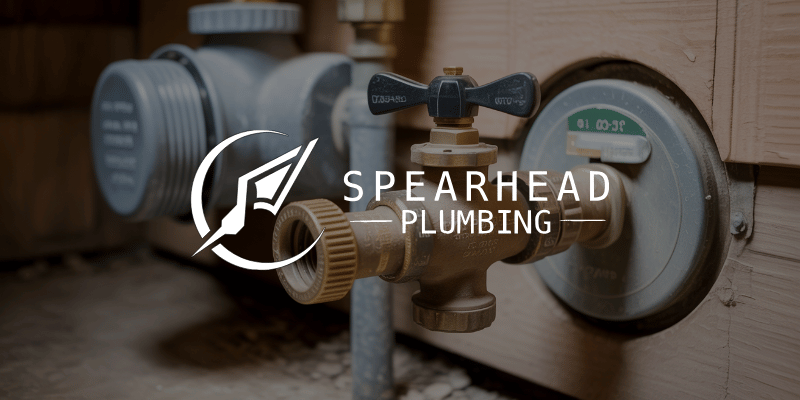
Main shutoff valves, fixture supply valves, and internal appliance valves can wear out or partially close over time. This restricts flow and creates pressure loss.
Valve issues are often identified during routine plumbing inspections.
Municipal Supply Changes
Occasionally, pressure problems originate outside the home. Water main repairs, infrastructure changes, or supply issues can affect neighborhood pressure.
A plumber can determine whether the issue is internal or municipal.
The Hidden Costs of Ignoring Pressure Problems
Pressure issues do more than inconvenience you. They quietly increase costs across your home.
Increased Utility Bills
Low pressure caused by leaks means water is being wasted continuously. Even small leaks can add hundreds of gallons of usage per month.
Appliance Damage
Dishwashers, washing machines, and water heaters rely on consistent pressure. Irregular pressure shortens their lifespan and reduces efficiency.
Fixture Wear and Failure
Pressure fluctuations strain seals, gaskets, and valves. Over time, this leads to dripping faucets, running toilets, and fixture replacements.
Pipe Damage and Bursts
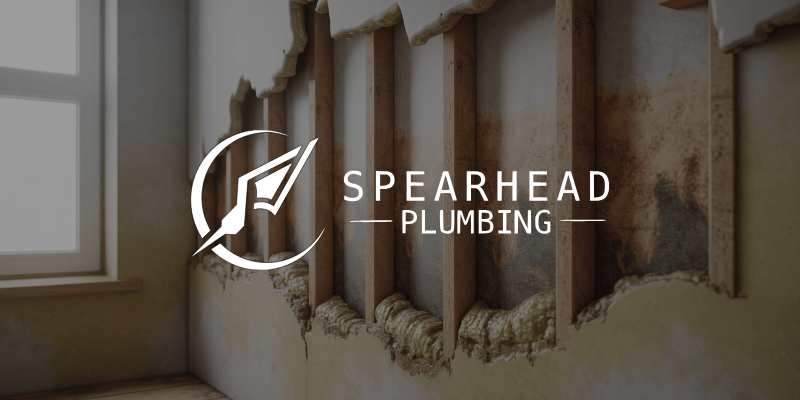
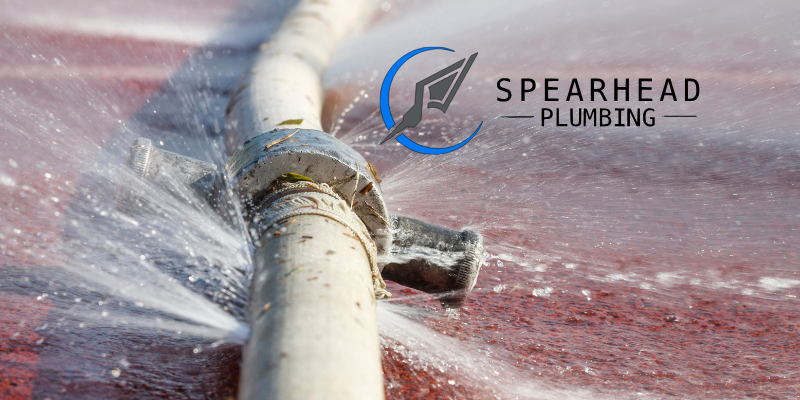
Excessive pressure puts constant stress on pipes. Eventually, weak points fail, resulting in sudden leaks or bursts that cause major water damage.
Reduced Home Value
Plumbing problems discovered during inspections can delay sales or lead to costly repair negotiations.
How Plumbers Diagnose Water Pressure Issues
Step 1: Pressure Testing
Plumbers measure water pressure at multiple points to identify irregularities and determine whether pressure is too high or too low.
Step 2: Fixture and Valve Evaluation
Fixtures and valves are checked for restrictions, wear, or internal failures that reduce flow.
Step 3: Leak Detection
Specialized tools locate hidden leaks without unnecessary wall or floor damage. This step is critical when pressure loss is unexplained.
Step 4: Pipe Inspection
In older homes, camera inspections help identify corrosion, buildup, or structural damage inside pipes.
Step 5: Regulator Assessment
Pressure regulators are tested and adjusted or replaced if necessary.
This comprehensive approach is part of professional plumbing services in St. Charles designed to solve root causes rather than symptoms.
Why DIY Fixes Often Fall Short
Homeowners sometimes attempt quick fixes such as cleaning aerators or adjusting visible valves. While helpful for minor issues, these steps rarely resolve system-wide pressure problems.
DIY fixes often delay proper diagnosis and allow damage to continue unnoticed.
Missouri-Specific Pressure Challenges
Hard Water Conditions
Mineral buildup is a constant factor affecting pressure and flow in Missouri homes.
Seasonal Temperature Changes
Freeze-thaw cycles stress pipes and joints, increasing the likelihood of leaks that affect pressure.
Older Infrastructure
Many homes still rely on outdated plumbing materials that are more susceptible to pressure-related damage.
When Pressure Problems Require Immediate Attention
You should contact a plumber right away if:
- Pressure drops suddenly throughout the house
- You hear banging or knocking in pipes
- Faucets drip or leak after pressure changes
- Toilets or appliances behave inconsistently
- Water bills increase unexpectedly
These are signs of developing issues that can escalate quickly.
Preventing Pressure Problems Before They Start
Preventative care is the most cost-effective approach.
- Schedule annual plumbing inspections
- Replace aging valves and regulators proactively
- Address minor leaks immediately
- Monitor water bills for unusual changes
- Avoid ignoring gradual performance changes
Routine maintenance protects both your plumbing system and your budget.
How Spearhead Plumbing Helps Protect Your Home
Spearhead Plumbing takes a proactive approach to pressure-related issues. Their team identifies the underlying cause and recommends targeted solutions that prevent repeat problems.
From leak detection to pressure regulation and pipe repairs, their services help homeowners avoid expensive surprises and extend the life of their plumbing systems.
Final Thoughts
Water pressure problems rarely announce themselves loudly at first. They start quietly, gradually causing inconvenience, wear, and damage behind the scenes.
By recognizing early signs and acting quickly, homeowners can prevent minor pressure issues from turning into expensive repairs.
If your water pressure has changed or you are noticing performance issues throughout your home, Spearhead Plumbing is ready to help.
Contact Spearhead Plumbing today to schedule a pressure evaluation and protect your plumbing system.