
How to Tell If Your Sewer Line Is Collapsing in St. Charles County

Most sewer line problems don’t start with a dramatic backup. They begin quietly underground.
In St. Charles County, aging infrastructure, shifting soil, heavy clay composition, and mature tree systems all increase the risk of sewer line failure. Homes in St. Charles, St. Peters, O’Fallon, Wentzville, and Lake Saint Louis—especially older neighborhoods—are particularly vulnerable.
A collapsing sewer line is one of the most expensive plumbing problems a homeowner can face. The key is recognizing the warning signs early.
What Does “Sewer Line Collapse” Actually Mean?
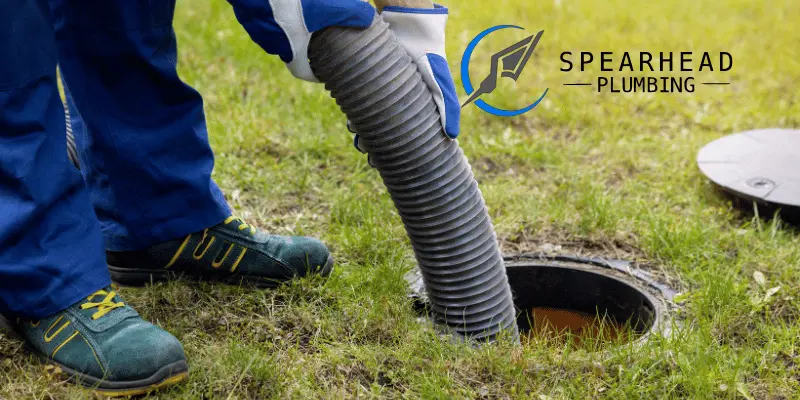
Your main sewer line carries wastewater from your home to the municipal sewer system. It runs underground, usually from the foundation to the street.
A collapse happens when:
- The pipe caves inward
- A section breaks apart
- Soil pressure crushes weakened material
- Severe root intrusion destroys structural integrity
- Corrosion eats through pipe walls
When collapse occurs, wastewater can no longer flow properly. It may pool underground or back up into your home.
Why Sewer Lines Collapse in Missouri
Several local factors increase the risk:
Aging Clay Pipes
Many homes built decades ago in St. Charles and St. Peters used clay sewer pipes. These were installed in sections with mortar joints.
Over time, joints weaken. Soil shifts. Roots invade. The pipe eventually cracks or collapses.
Cast Iron Corrosion
Cast iron pipes corrode from the inside out. Years of exposure to wastewater slowly thin the pipe walls until they fail.
Expansive Clay Soil
Missouri soil expands when wet and contracts when dry. This movement places stress on buried pipes year after year.
Tree Root Intrusion
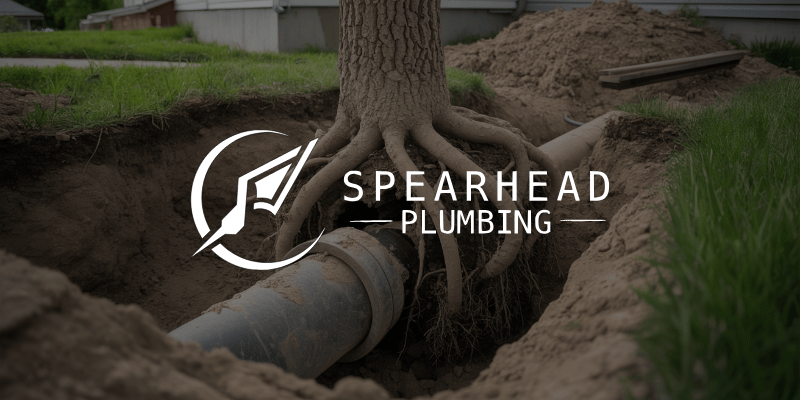
Roots grow toward moisture. Once inside a pipe, they widen cracks and accelerate structural failure.
Early Warning Signs of Sewer Line Collapse
Full collapse rarely happens overnight. There are usually warning signs.
1. Multiple Slow Drains
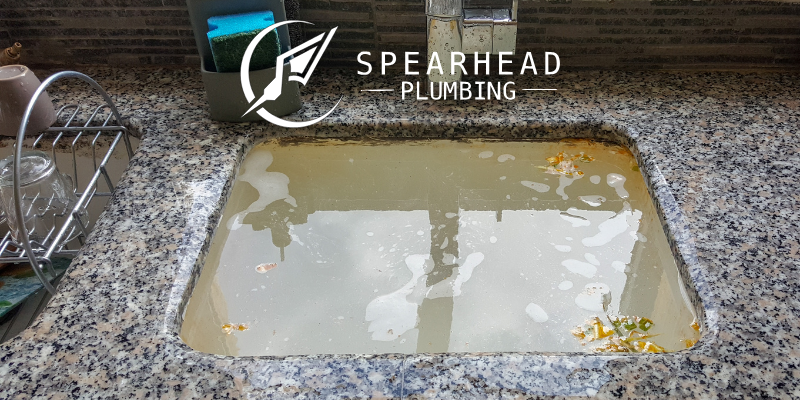
If more than one drain in your home begins moving slowly, the problem may not be a simple clog.
When a main sewer line narrows due to cracking or shifting, wastewater flow slows throughout the entire system.
2. Frequent Backups
If you clear a drain only to have it clog again weeks later, the blockage may be structural rather than debris-based.
Recurring backups are a strong indicator of deeper issues.
For repeated toilet and drain problems, professional toilet and drain repair services may help identify the root cause.
3. Sewer Odors Indoors or Outdoors
A cracked or partially collapsed pipe may allow wastewater to leak into surrounding soil.
This often produces:
- Persistent sewer smell in the basement
- Odor near floor drains
- Foul smell in the yard
Odor is a warning sign that wastewater is not flowing properly.
4. Soggy or Sunken Yard Areas
If a section of sewer pipe collapses, wastewater may saturate nearby soil.
Watch for:
- Soft ground near the sewer path
- Patches of unusually green grass
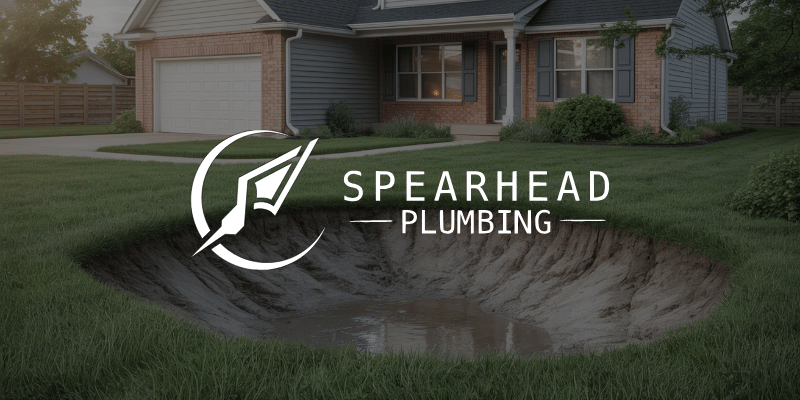
- Small sinkholes forming
- Standing water during dry weather
Yard changes are often the first visible indicator of underground failure.
5. Foundation Cracks or Basement Moisture
If a sewer line collapses near the foundation, soil erosion can destabilize the area.
This may lead to:
- Cracks in basement walls
- Moisture seepage
- Uneven flooring
While not always directly caused by sewer collapse, these signs warrant investigation.
The Difference Between a Clog and a Collapse
A clog typically involves debris buildup that can be cleared mechanically.
A collapse involves structural damage. Clearing debris may temporarily restore flow, but the pipe will continue failing until repaired or replaced.
The only reliable way to confirm structural damage is through camera inspection.
How Plumbers Diagnose Sewer Collapse
Professional diagnosis usually involves:
- Sewer camera inspection
- Locating equipment to pinpoint damaged sections
- Pressure or flow testing
- Yard surface evaluation
Camera inspection provides real-time footage of the pipe interior, revealing cracks, offsets, and collapsed sections.
Repair Options for Collapsed Sewer Lines
Repair depends on the severity and location of the damage.
Spot Excavation
If collapse is isolated, digging and replacing the damaged section may solve the problem.
Trenchless Sewer Line Repair
When possible, trenchless methods repair or replace sewer lines with minimal yard disruption.
This method reduces excavation and preserves landscaping.
You can learn more about trenchless sewer line repair in St. Charles if collapse is confirmed.
Full Sewer Line Replacement
In cases of widespread deterioration, complete replacement may be the safest long-term solution.
While this involves excavation, it restores structural reliability for decades.
Why Ignoring Sewer Collapse Is Risky
Delaying repairs can lead to:
- Raw sewage backups
- Major yard excavation
- Basement flooding
- Mold growth
- Health hazards
- Foundation damage
A partially collapsed pipe will not improve on its own.
Insurance Considerations
Many homeowners are surprised to learn that sewer line collapse is not always covered by standard insurance policies.
Some policies require optional service line coverage.
If you suspect collapse, professional documentation supports any claims process.
When to Call a Professional Immediately
Contact a plumber right away if you notice:
- Sewage backing up into your home
- Multiple slow drains
- Sewer odors combined with yard changes
- Sudden sinkholes
- Water pooling near the foundation
For a complete plumbing evaluation, review available plumbing services in St. Charles County.
Protect Your Home From Underground Failure
Sewer line collapse is serious, but early detection can reduce damage and cost.
If your St. Charles County home shows signs of sewer trouble, professional inspection provides clarity and direction.
Waiting allows the problem to worsen underground.
Contact Spearhead Plumbing today to schedule a sewer line inspection and protect your home from costly structural damage.