
Signs Your Shut-Off Valve Needs Replacement Before an Emergency Happens

Most homeowners in St. Charles County know where their main water shut-off valve is located. Far fewer know whether it actually works.
That small valve is one of the most important components in your plumbing system. When a pipe bursts or a fixture fails, shutting off water quickly can prevent thousands of dollars in damage. But if the valve is corroded, stuck, or leaking, it may fail when you need it most.
Across St. Charles, O’Fallon, St. Peters, Wentzville, and Lake Saint Louis, aging shut-off valves are a common hidden risk in both older and newer homes. Knowing the warning signs of failure can help you replace a weak valve before it turns into a plumbing emergency.
What Is a Shut-Off Valve?
Your home typically has several shut-off valves:
- Main water shut-off valve – controls water entering the entire house
- Fixture shut-off valves – located under sinks and behind toilets
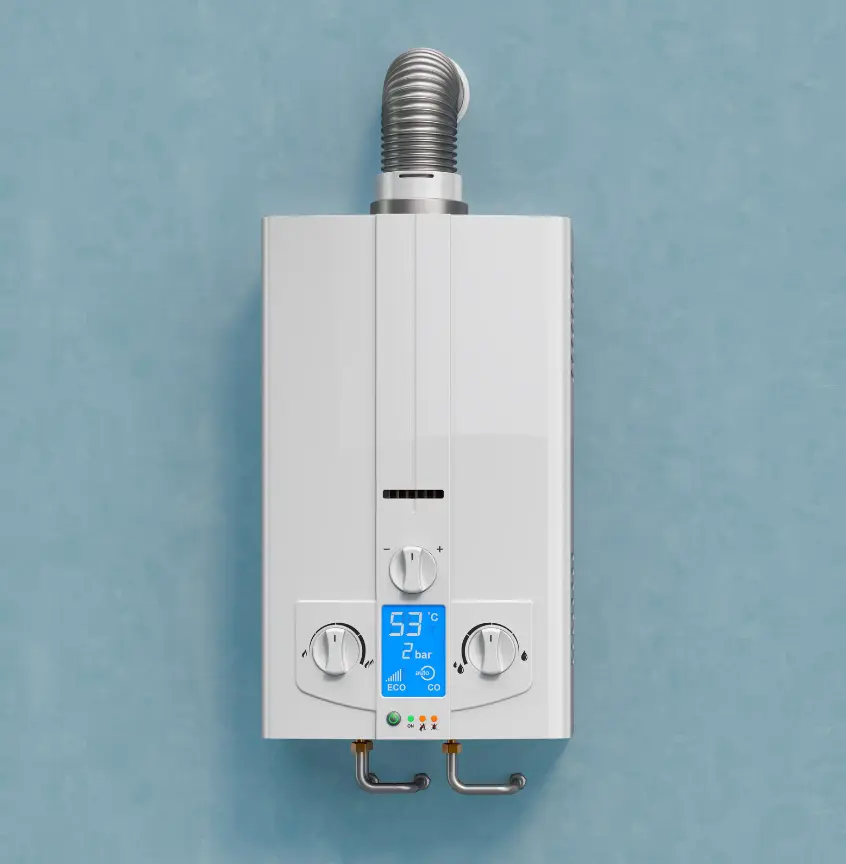
- Water heater shut-off valve
- Outdoor spigot shut-offs
Each one serves a critical function. If any fail, water can continue flowing even during a leak.
Why Shut-Off Valves Fail
Valves are mechanical devices. Over time, internal seals wear out and metal components corrode.
Common causes of failure include:
- Hard water mineral buildup
- Internal corrosion
- Lack of regular use
- Age-related deterioration
- Freezing temperatures
- Poor initial installation
Many homeowners do not operate their shut-off valve for years. When it is finally needed, it may be seized in place.
Warning Sign #1: The Valve Is Hard to Turn
If your shut-off valve requires excessive force to move, that is a problem.
Valves should turn smoothly. Stiffness often means internal corrosion or mineral buildup is preventing proper movement.
Forcing a stuck valve can snap the handle or damage internal components, making it impossible to close during an emergency.
Warning Sign #2: The Valve Leaks When Turned
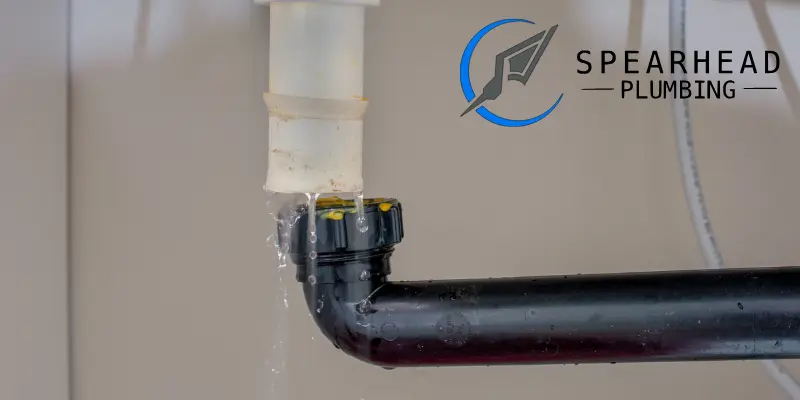
A valve that drips when partially or fully closed indicates worn packing or internal seal failure.
Even small leaks at the valve stem signal deterioration. Over time, that drip can worsen or turn into a steady leak.
If you notice moisture around your main valve or under-sink shut-offs, it is time for evaluation.
Warning Sign #3: The Valve Will Not Fully Shut Off Water
One of the clearest indicators of failure is when water continues flowing after you attempt to shut it off.
If you turn the main shut-off valve and faucets still run at full pressure, the internal gate or ball mechanism may be damaged.
This situation becomes extremely dangerous during a burst pipe emergency.
Warning Sign #4: Visible Corrosion or Rust
In basements throughout St. Charles and St. Peters, main shut-off valves are often located near the water meter.
If you see:
- Rust flaking off
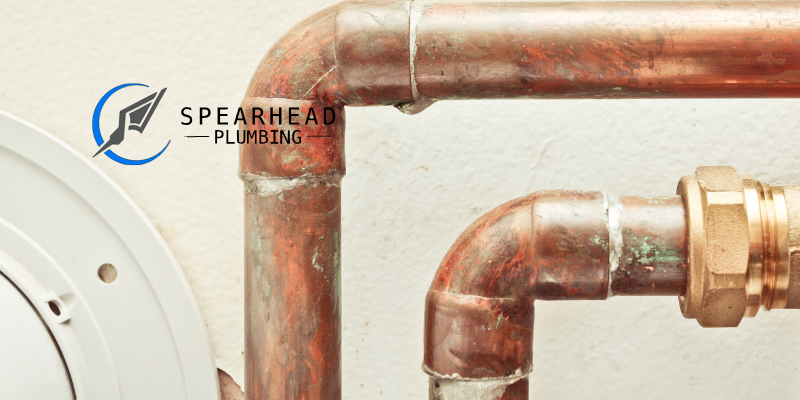
- Green corrosion on copper fittings
- Cracked handles
- White mineral buildup
the valve is likely deteriorating internally as well.
Corrosion weakens metal and reduces reliability.
Warning Sign #5: The Valve Has Not Been Tested in Years
Many homeowners have never tested their main shut-off valve.
Valves should be exercised periodically to ensure smooth operation. If it has been five or ten years since the valve was turned, it may not function properly when needed.
Routine testing and inspection are part of responsible home maintenance.
Types of Shut-Off Valves
Older homes in St. Charles County often have multi-turn gate valves. These require several rotations to close and are more prone to failure.
Modern homes increasingly use quarter-turn ball valves. These:
- Close quickly
- Provide a clearer open or closed position
- Have fewer moving parts
- Offer greater durability
If your home still has an older gate-style valve, upgrading improves reliability significantly.
Why Valve Failure Is So Dangerous
When a pipe bursts or a supply line fails, water can flood a home quickly.
Without a functioning shut-off valve, you may need to wait for municipal crews to close the street supply.
Even five minutes of uncontrolled water flow can cause:
- Flooring damage
- Drywall saturation
- Cabinet destruction
- Electrical hazards
- Mold growth
A working shut-off valve is your first line of defense.
Hard Water and Valve Deterioration
In St. Charles County, hard water accelerates valve wear.
Mineral deposits build up inside the valve body, restricting movement and weakening seals.
Homes in O’Fallon and Wentzville frequently experience mineral-related valve issues, especially in older plumbing systems.
If your home has hard water buildup elsewhere, your shut-off valves may be affected as well.
When Replacement Is Recommended
You should strongly consider replacement if:
- The valve is more than 20 years old
- It shows visible corrosion
- It does not close completely
- It leaks when operated
- It feels unstable or loose
Replacing a failing valve is far less expensive than repairing flood damage.
If your plumbing system is aging overall, review available plumbing services in St. Charles County for comprehensive inspection.
Professional Valve Replacement
Replacing a main shut-off valve requires temporarily stopping water supply to the home.
A professional plumber will:
- Shut off municipal supply if needed
- Remove the old valve
- Install a durable quarter-turn ball valve
- Test pressure and seal integrity
- Inspect nearby fittings for corrosion
This ensures the new valve functions properly under full system pressure.
Fixture Shut-Off Valves Matter Too
While the main valve is critical, under-sink and toilet shut-offs are just as important.
If a toilet supply line bursts, a working fixture valve prevents full-house shutdown.
When replacing fixtures or repairing leaks, plumbers often inspect and replace aging shut-offs at the same time.
If you are addressing leaks or fixture issues, consider reviewing leak repair services to ensure the entire system is secure.
Seasonal Risks in Missouri
Winter temperatures increase the importance of reliable shut-offs.
If pipes freeze and crack, being able to quickly stop water flow prevents widespread damage.
Missouri freeze-thaw cycles place stress on plumbing systems, making routine valve inspection especially important before winter.
How to Test Your Main Shut-Off Valve
You can safely test your valve by:
- Locating the main shut-off near your water meter.
- Turning the valve slowly to the closed position.
- Checking a faucet to confirm water stops.
- Reopening the valve fully once tested.
If the valve resists movement or fails to shut off water completely, do not force it.
Professional replacement is the safer option.
Protect Your Home Before an Emergency
Shut-off valves are often forgotten until disaster strikes. Replacing a worn valve before it fails is a simple step that protects your home from major water damage.
Whether your valve shows corrosion, stiffness, or partial failure, acting now prevents panic later.
If you are unsure about the condition of your shut-off valve, schedule an inspection.
Contact Spearhead Plumbing today to evaluate and replace failing shut-off valves in your St. Charles County home.