

What Causes Sewer Smells in Your Home? A St. Charles Plumbing Guide

Few things are more unpleasant than walking into your bathroom, kitchen, or basement and catching a strong sewer odor. It is not just a nuisance. Persistent sewer smells can signal plumbing problems that require attention.
Homeowners across St. Charles County, including O’Fallon, St. Peters, Lake Saint Louis, and Wentzville, occasionally deal with mysterious drain odors. Sometimes the fix is simple. Other times, the smell is a warning sign of a deeper issue within the plumbing system.
Understanding what causes sewer smells helps you act quickly before minor issues turn into major repairs.
Why Sewer Gas Smells Should Never Be Ignored
Your plumbing system is designed to safely carry wastewater away from your home. It also includes built-in protections to prevent sewer gases from entering your living space.
Sewer gas contains methane, hydrogen sulfide, and other byproducts of waste decomposition. At low levels, it smells bad. At higher concentrations, it can cause headaches, dizziness, and respiratory irritation.
If you smell sewer gas inside your home, something in the system is not working properly.
The Role of Drain Traps
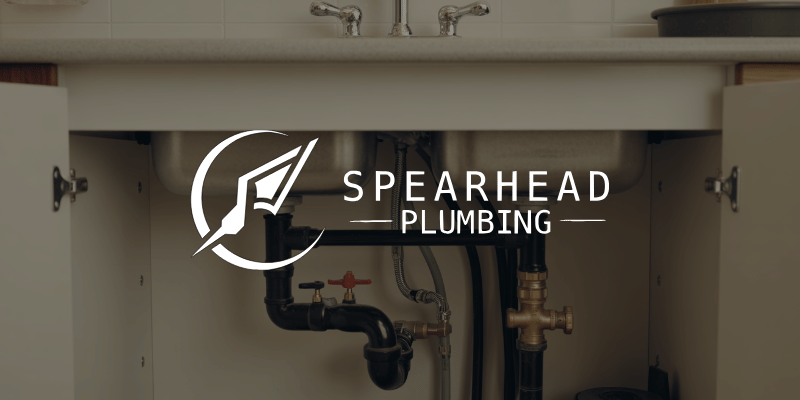
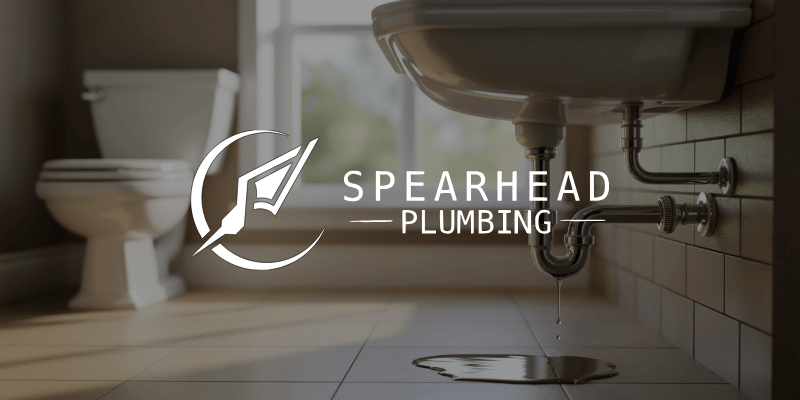
Every sink, tub, shower, and floor drain in your home has a curved pipe called a P-trap. This trap holds a small amount of water at all times.
That water acts as a barrier, blocking sewer gases from traveling back up through the drain.
When the trap works properly, odors stay in the sewer system where they belong.
Cause #1: Dry P-Traps
One of the most common causes of sewer smells is a dry drain trap.
This often happens in:
- Guest bathrooms that are rarely used
- Basement floor drains
- Utility sinks
- Vacation homes
- Drains in rarely used showers
If water in the trap evaporates, sewer gases can rise through the pipe and into the room.
The fix is simple. Run water into the drain for 30 to 60 seconds to refill the trap. In some cases, adding a small amount of mineral oil after running water can slow evaporation.
If odors return quickly, the issue may involve venting or pressure imbalance.
Cause #2: Venting Problems
Your plumbing system includes vent pipes that extend through the roof. These vents regulate air pressure and allow sewer gases to escape outside.
If a vent pipe becomes blocked by leaves, debris, or animal nests, pressure imbalances can occur. That imbalance may pull water out of drain traps or force odors back into the home.
Signs of venting issues include:
- Gurgling drains
- Slow draining sinks
- Toilet bubbling
- Persistent sewer smell after flushing
Blocked or damaged vent stacks often require professional inspection and repair. In some cases, this connects to larger drain stack repair services.
Cause #3: Cracked or Loose Drain Pipes
Drain lines hidden behind walls or under floors can develop cracks over time.
Common causes include:
- Foundation settling
- Pipe corrosion
- Improper installation
- Freeze damage
When a drain pipe cracks, sewer gas can leak directly into wall cavities and living spaces. Because these pipes carry wastewater, even small fractures can create strong odors.
If you suspect hidden pipe damage, professional evaluation is important. You can learn more about addressing hidden leaks through leak repair services.
Cause #4: Worn Toilet Wax Rings
Toilets are sealed to the floor using a wax ring. This ring prevents sewer gas and water from escaping where the toilet meets the drain pipe.
Over time, wax rings can:
- Dry out
- Crack
- Shift due to floor movement
If you smell sewer gas strongest near the base of a toilet, a failed wax ring may be the cause.
Other warning signs include:
- Water pooling around the base
- A rocking toilet
- Soft flooring near the toilet
Replacing a wax ring requires removing and reseating the toilet correctly.
For issues involving toilets and drain connections, see toilet and drain repair services.
Cause #5: Sewer Line Problems
If the smell seems stronger throughout the entire home, the issue may lie in the main sewer line.
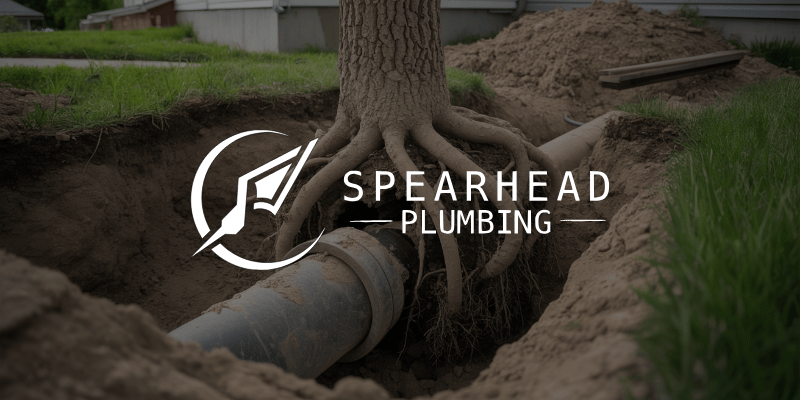
Tree roots, blockages, pipe collapses, or heavy buildup can cause sewer gases to push back into household plumbing.
Homes in older parts of St. Charles and St. Peters sometimes still have clay sewer lines, which are especially vulnerable to root intrusion.
Warning signs of main sewer issues include:
- Multiple drains backing up
- Gurgling across several fixtures
- Water backing up into tubs or showers
- Strong odor after heavy rainfall
If you suspect a larger sewer issue, immediate professional assessment is recommended.
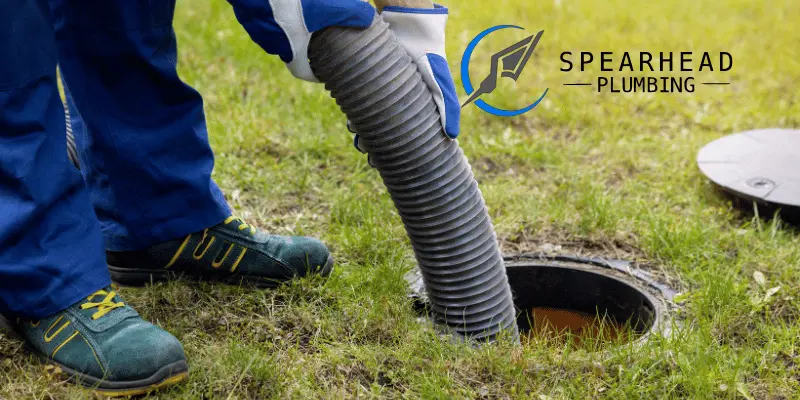
Cause #6: Loose Cleanout Caps
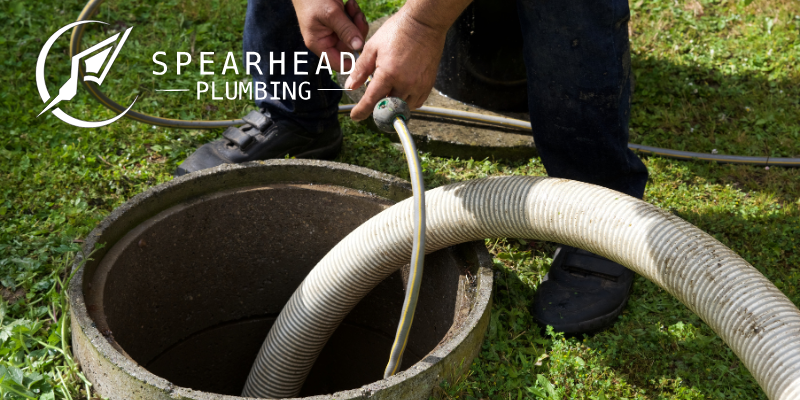
Some homes have accessible sewer cleanouts, often in basements or outside near the foundation.
If the cleanout cap is loose or damaged, sewer gas can escape directly into the area.
This is a relatively simple fix, but it should be addressed quickly to prevent ongoing odor exposure.
Cause #7: Bacterial Growth in Drains
Sometimes the smell is not sewer gas but bacterial buildup inside the drain itself.
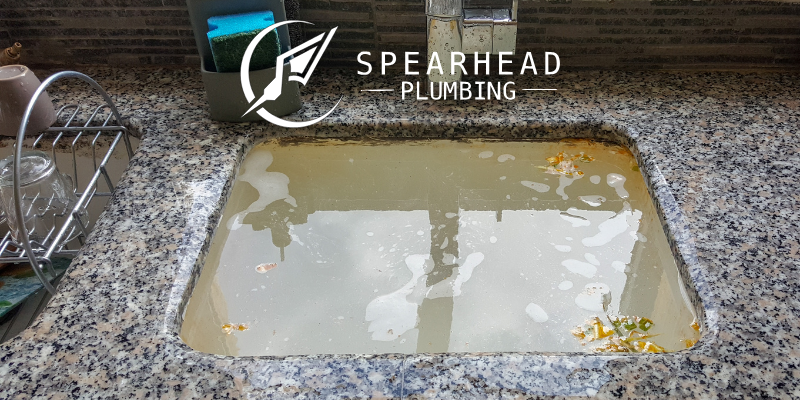
Kitchen sinks are especially prone to this. Food debris and grease create biofilm that produces foul odors.
Bathroom sinks can also develop buildup from soap, hair, and toothpaste.
Cleaning the drain thoroughly can sometimes eliminate the smell. However, recurring buildup may require deeper cleaning or inspection.
Seasonal Factors in St. Charles County
Missouri’s changing seasons can contribute to sewer odor issues.
Summer Heat
Higher temperatures accelerate evaporation in traps and increase bacterial activity inside drains.
Heavy Rain
During heavy storms, municipal sewer systems can become overwhelmed. Pressure fluctuations may temporarily increase sewer odors indoors.
Winter Freezing
Frozen vent pipes or partially frozen drain lines can disrupt airflow and trap function.
Homes in O’Fallon, Wentzville, and Lake Saint Louis experience these seasonal shifts regularly, which is why odor complaints often rise during weather transitions.
Why Ignoring Sewer Smells Is Risky
Beyond the discomfort, sewer odors may indicate:
- Hidden leaks
- Foundation shifting
- Pipe deterioration
- Sewer line failure
Small issues can grow quickly. A dry trap is simple. A cracked main sewer line is not.
Addressing the cause early prevents larger structural and plumbing damage.
Diagnosing the Source of the Smell
A professional plumber will typically:
- Inspect drain traps
- Check vent stacks
- Perform smoke or pressure testing
- Examine visible drain lines
- Assess sewer cleanouts
- Use camera inspection if necessary
Proper diagnosis prevents unnecessary repairs and ensures the correct solution is applied.
When to Call a Professional
You should contact a plumber immediately if:
- Odor persists despite running water into drains
- Multiple fixtures are affected
- You notice slow drains with smells
- There are signs of water damage
- The smell worsens after flushing toilets
Persistent sewer odors are not normal and should never be ignored.
For comprehensive help with your home’s plumbing system, review available plumbing services in St. Charles County.
Protect Your Home and Indoor Air
Sewer smells are a warning sign that your plumbing system needs attention. In many cases, the issue is manageable if caught early.
Whether the problem is a dry trap, a worn seal, vent blockage, or sewer line damage, professional inspection ensures your home remains safe, comfortable, and odor-free.
If you are noticing sewer odors in your St. Charles County home, do not wait.
Contact Spearhead Plumbing today to schedule an inspection and eliminate the source of the smell.