
Why Your Outdoor Spigot Is Leaking (And How Missouri Winters Make It Worse)

An outdoor spigot seems simple. You turn the handle, water comes out, and you water the lawn or wash the car. But when that spigot starts dripping, spraying, or leaking inside the wall, it can quickly turn into a bigger plumbing issue.
Across St. Charles County, especially in areas like O’Fallon, Wentzville, St. Peters, and Lake Saint Louis, outdoor faucet leaks are one of the most common springtime plumbing problems. Missouri winters play a major role in why these failures happen.
If your hose bib is leaking, dripping, or feels loose, here’s what may be happening beneath the surface.
What Is an Outdoor Spigot?
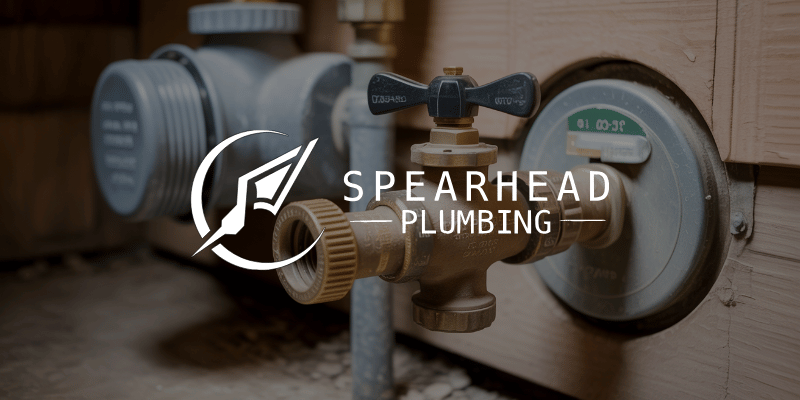
Outdoor spigots, also called hose bibs or sillcocks, connect directly to your home’s water supply. Unlike indoor faucets, they are exposed to outside temperatures, shifting soil, and seasonal use patterns.
Modern homes often have frost-free spigots designed to prevent freezing. Older homes may still have standard hose bibs that are more vulnerable to winter damage.
Either way, when they start leaking, it’s not something to ignore.
The Most Common Signs of a Failing Outdoor Spigot
Spigot problems don’t always look dramatic. Here are the warning signs to watch for:
- Water dripping from the nozzle even when turned off
- Leaks around the handle
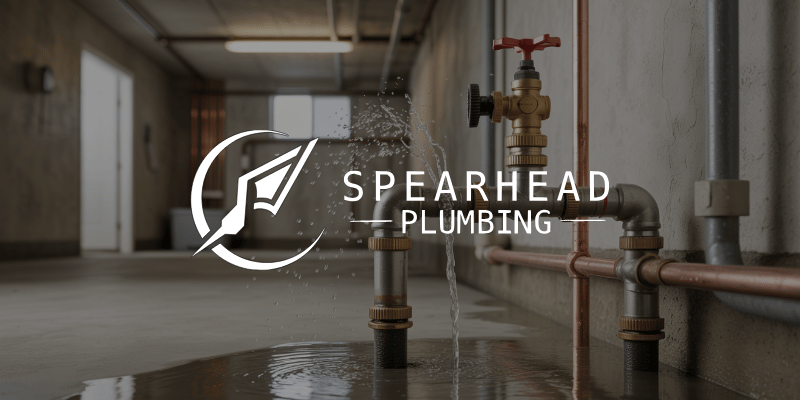
- Water spraying from behind the wall when turned on
- Low water pressure at the hose
- Rust or corrosion on the fixture
- Water stains on siding or foundation
Even a slow drip wastes water and can cause damage over time.
How Missouri Winters Damage Outdoor Faucets
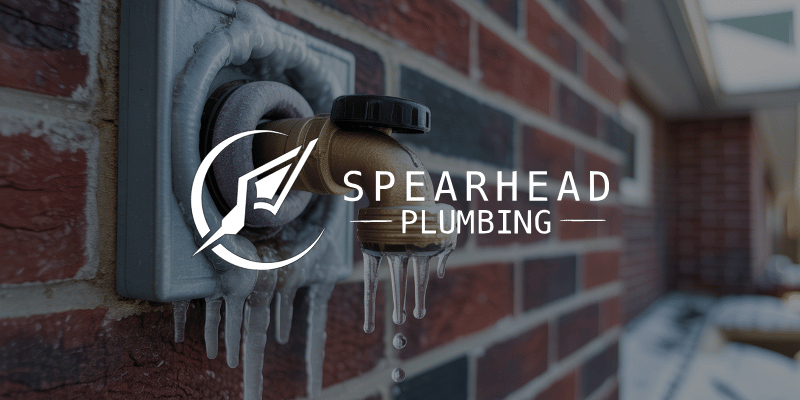
Winter is the biggest culprit behind outdoor spigot leaks in St. Charles County.
Freeze Expansion
When water remains inside the spigot or supply pipe during freezing temperatures, it expands. That expansion can:
- Crack the valve body
- Split the pipe inside the wall
- Damage washers and seals
- Create hairline fractures that worsen over time
Many homeowners don’t notice the damage until spring when they turn the water back on.
Improper Winterization
If hoses are left attached during winter, water becomes trapped inside the fixture. Even frost-free models can fail if hoses remain connected.
Freeze-Thaw Cycles
Missouri weather fluctuates. A warm day followed by a hard freeze creates repeated expansion and contraction. That repeated stress weakens plumbing components.
Leaks Behind the Wall: The Hidden Danger
One of the most serious spigot failures happens when the pipe inside the wall cracks.
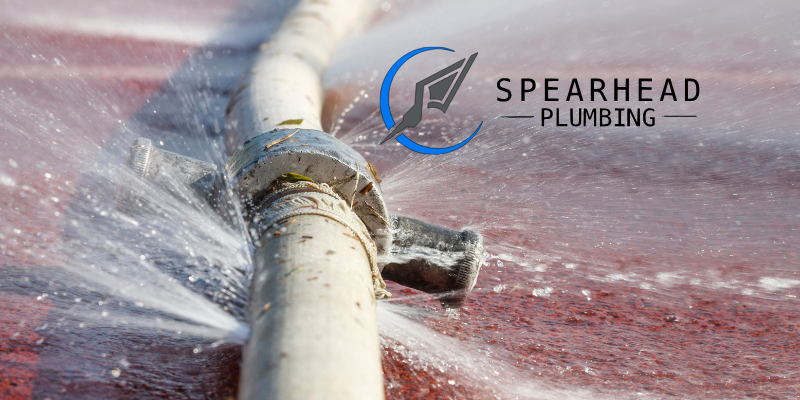
When you turn the faucet on in spring, water may spray inside the wall cavity instead of flowing outside. Because this damage is hidden, homeowners sometimes run the hose for weeks before realizing there’s a problem.
Signs of a hidden interior leak include:
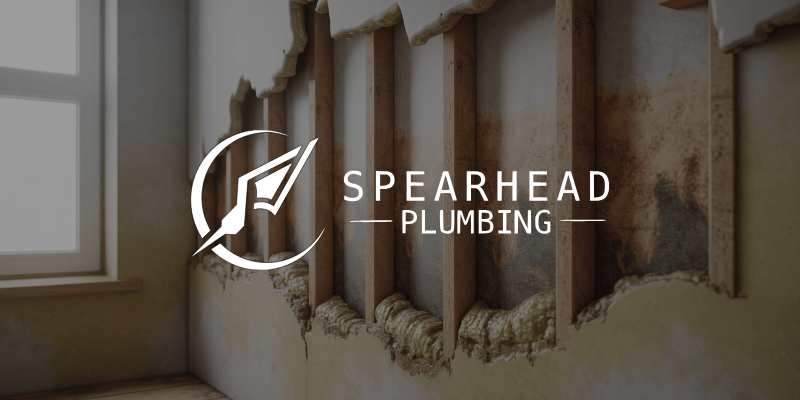
- Damp drywall near the spigot
- Peeling paint
- Musty smells
- Mold growth
- Warped interior flooring near exterior walls
If you suspect water is leaking inside your wall, immediate inspection is critical. You can review professional leak repair services if you notice any of these warning signs.
Washer and Packing Nut Failures
Not every outdoor spigot problem is caused by freezing. Over time, internal washers wear out.
A worn washer may cause water to drip from the nozzle even when fully tightened. A loose packing nut can cause leaks around the handle.
These issues are smaller but still waste water and increase your bill.
Backflow and Contamination Risks
Leaking spigots also pose a backflow risk. If a hose is submerged in standing water, chemicals, or fertilizers, contaminated water can siphon backward into your home’s supply under certain pressure conditions.
Many municipalities recommend or require vacuum breakers on outdoor spigots to prevent this issue.
Replacing a damaged spigot is not just about stopping leaks. It also protects your drinking water.
Soil Erosion Around the Foundation
A leaking hose bib that drips steadily can cause soil erosion near your foundation.
Over time, this can:
- Expose foundation walls
- Create water pooling near the slab
- Increase basement moisture
- Contribute to foundation shifting
In areas like Wentzville and St. Peters where soil movement is already common, added moisture near the home can increase structural stress.
When Repair Is Enough
Minor spigot issues can often be repaired if caught early. Examples include:
- Replacing washers
- Tightening packing nuts
- Installing vacuum breakers
- Swapping damaged handles
If the pipe inside the wall remains intact, repair is typically straightforward.
When Replacement Is the Smarter Option
Replacement is usually recommended when:
- The spigot body is cracked
- The internal stem is bent
- The pipe inside the wall has split
- Corrosion is severe
- The fixture is outdated
Upgrading to a frost-free hose bib is often the best long-term solution for Missouri homes.
For broader plumbing concerns, you can review complete plumbing services in St. Charles County.
Frost-Free Spigots: Are They Worth It?
Frost-free hose bibs are designed so the shut-off valve sits deeper inside the home, where it’s warmer. When installed correctly and used properly, they significantly reduce freeze risk.
However, even frost-free spigots can fail if:
- A hose is left connected
- The pipe lacks proper slope
- The installation depth is incorrect
Professional installation ensures the fixture drains properly after each use.
Preventing Future Outdoor Faucet Leaks
Preventative steps can save money and frustration.
- Disconnect hoses before winter
- Drain exterior lines before freezing temperatures
- Install insulated covers for added protection
- Inspect for drips early in spring
- Upgrade older fixtures before failure
Proactive maintenance prevents emergency repairs.
Local Considerations for St. Charles County Homes
Homes in Lake Saint Louis and O’Fallon often feature irrigation systems tied into exterior plumbing. These connections add complexity and increase the importance of properly functioning shutoffs.
Older homes in St. Charles and St. Peters may still have standard hose bibs without frost protection.
Understanding how your home was built helps determine the right solution.
Don’t Ignore a Dripping Spigot
A slow drip may seem harmless, but over weeks or months it can:
- Increase water bills
- Cause siding damage
- Promote mold growth
- Erode soil near your foundation
- Lead to interior wall damage
Outdoor plumbing failures are rarely isolated. They often signal aging components that deserve inspection.
If your outdoor spigot is leaking or you want to upgrade before next winter, it’s smart to act now rather than wait for freezing temperatures to return.
Contact Spearhead Plumbing today to schedule inspection or replacement of your outdoor faucet in St. Charles County.