
Hidden Plumbing Leaks That Can Cause Mold (Even Without Visible Water)

Most homeowners associate mold with obvious water problems. A flooded basement. A burst pipe. A soaked ceiling. In reality, some of the most damaging mold issues begin with plumbing leaks you never see.
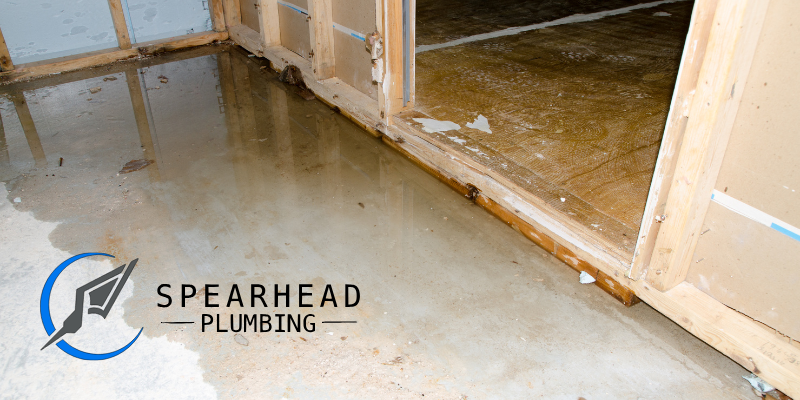
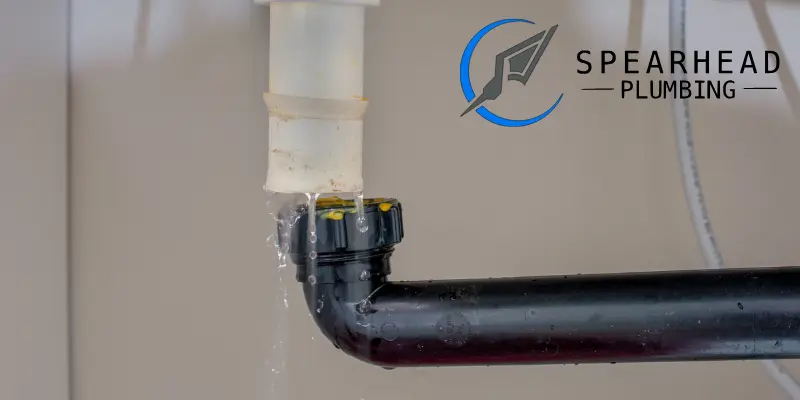
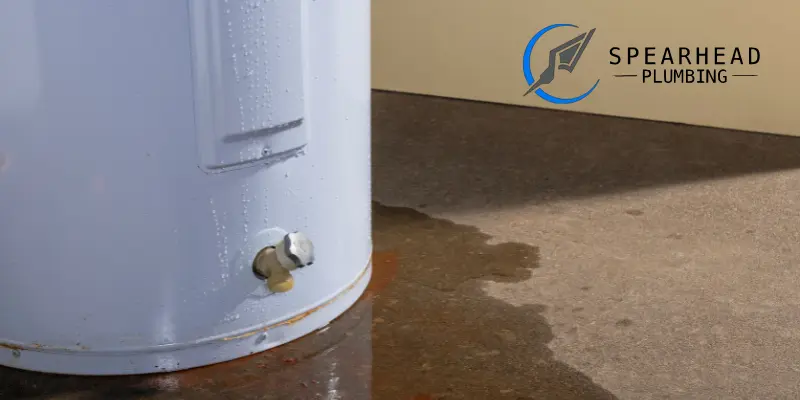
Hidden plumbing leaks can exist for months or even years behind walls, under floors, or above ceilings without leaving visible puddles. During that time, moisture slowly feeds mold growth, weakens building materials, and creates health concerns that often go unexplained.
For homeowners in St. Charles County and across Missouri, understanding how hidden plumbing leaks cause mold and how plumbers detect them early is critical to protecting both your home and your family.
Why Mold Can Grow Without Obvious Water
Mold does not need standing water to thrive. It only needs consistent moisture, warmth, and organic material such as drywall, wood framing, or insulation.
Hidden plumbing leaks provide the perfect environment. Even a slow drip inside a wall cavity can maintain enough humidity to allow mold to grow undetected.
Because the water never reaches visible surfaces, the problem often goes unnoticed until mold spreads or structural damage occurs.
Common Places Hidden Plumbing Leaks Occur
Behind Bathroom and Kitchen Walls
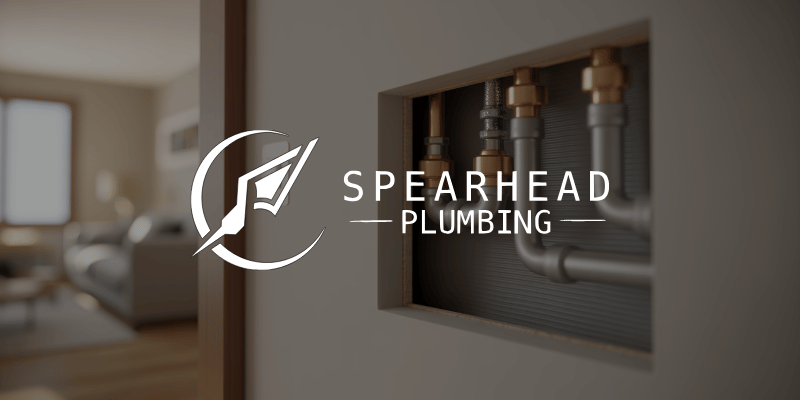
Supply lines and drain pipes serving sinks, toilets, and showers often run inside walls. Small leaks at fittings or joints can release moisture directly into drywall and insulation.
These leaks are especially common behind showers, tubs, and vanities.
Under Floors and Slab Foundations
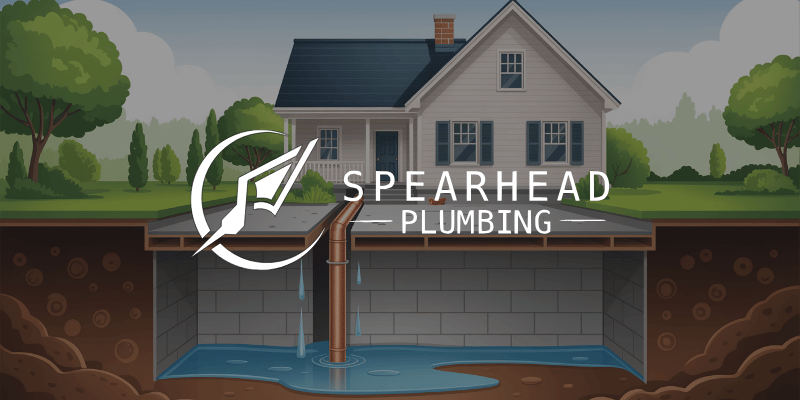
Leaks beneath floors or slab foundations are some of the hardest to detect. Water disperses into soil or subfloor materials instead of pooling.
Homeowners may only notice subtle signs such as warped flooring or unexplained odors.
Above Ceilings
Plumbing lines running through ceilings can leak slowly and evaporate before dripping through drywall. By the time stains appear, mold may already be established.
Inside Cabinets and Vanities
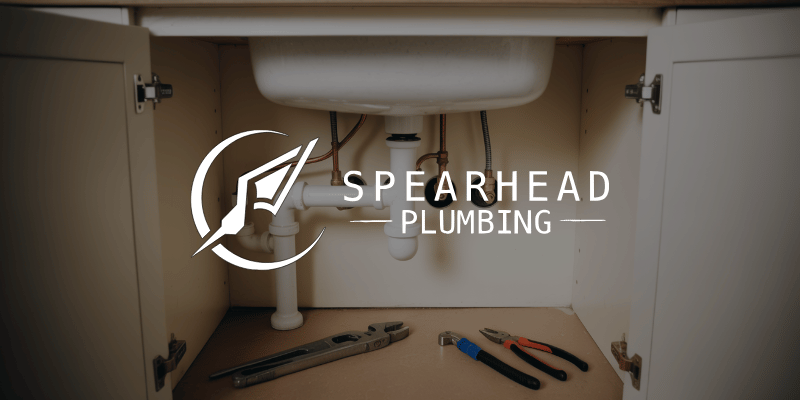
Under-sink leaks may stay hidden behind stored items. Moisture accumulates slowly, allowing mold to grow inside cabinets and wall cavities.
Around Toilets
Toilet supply lines, wax rings, and tank components can leak intermittently. Because the water often drains beneath flooring, mold growth may occur out of sight.
Toilet-related leaks are frequently addressed through professional toilet repair services.
How Plumbing Leaks Lead to Mold Growth
Constant Moisture Supply
Even minor leaks provide ongoing moisture. Mold spores only need a damp surface to begin growing.
Limited Airflow
Wall cavities and enclosed spaces trap moisture. Without airflow, materials remain damp longer, accelerating mold growth.
Organic Building Materials
Drywall paper, wood studs, subflooring, and insulation all provide food sources for mold.
Time
Hidden leaks often persist for long periods before detection. The longer moisture is present, the more extensive mold growth becomes.
Signs of Mold From Hidden Plumbing Leaks
Mold caused by hidden leaks often presents indirect warning signs.
Common indicators include:
- Musty or earthy odors
- Unexplained allergy symptoms
- Warped or buckling floors
- Discolored drywall or baseboards
- Soft or spongy flooring
- Peeling paint or wallpaper
- Sudden increases in water bills
If these signs appear without obvious water damage, hidden leaks should be suspected.
Why Mold From Plumbing Leaks Is Especially Dangerous
Structural Damage
Mold thrives in damp wood and drywall, weakening structural components over time. Floor joists, studs, and subfloors can rot without visible warning.
Health Concerns
Mold exposure can cause respiratory irritation, headaches, fatigue, and allergic reactions. Children, elderly individuals, and those with respiratory conditions are especially vulnerable.
Expensive Remediation
Once mold spreads, remediation costs rise quickly. Addressing the plumbing leak early is far less expensive than mold removal and structural repair.
Reduced Home Value
Mold history can complicate home sales, inspections, and insurance claims.
Why Homeowners Miss Hidden Plumbing Leaks
Hidden leaks are easy to overlook because:
- Water damage is not visible
- Leaks may occur intermittently
- Odors are mistaken for humidity
- Mold growth happens behind surfaces
- Utility bill increases are gradual
By the time symptoms become obvious, damage is often advanced.
Common Plumbing Issues That Cause Hidden Leaks
Loose or Aging Pipe Joints
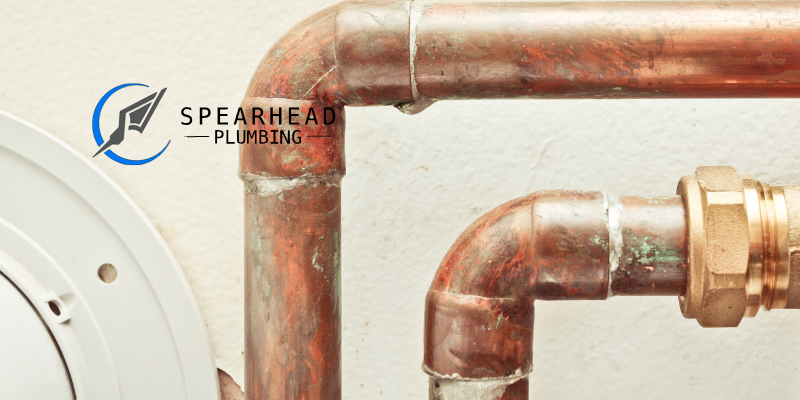
As pipes age, joints loosen and seals degrade. Small gaps allow slow leaks that persist unnoticed.
Corroded Pipes
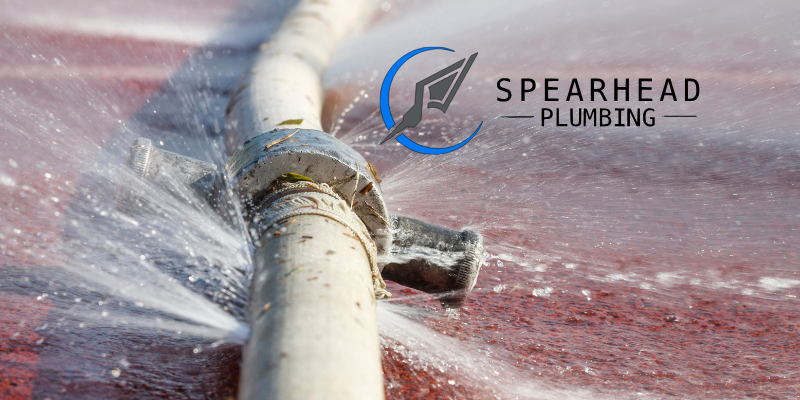
Older metal pipes corrode internally and externally. Pinholes form and release small amounts of water over long periods.
Failing Valves
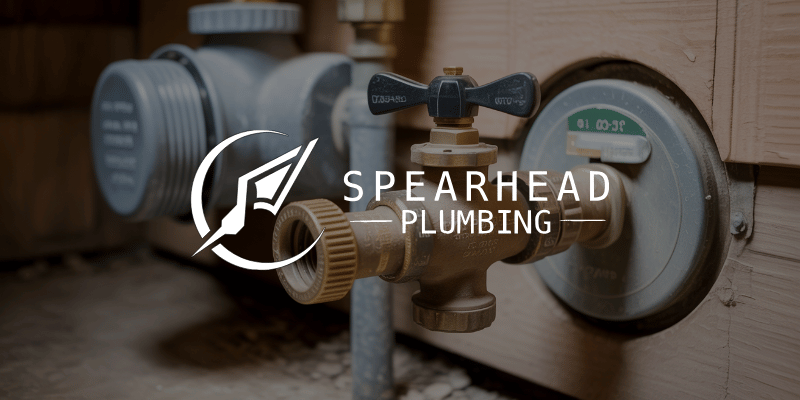
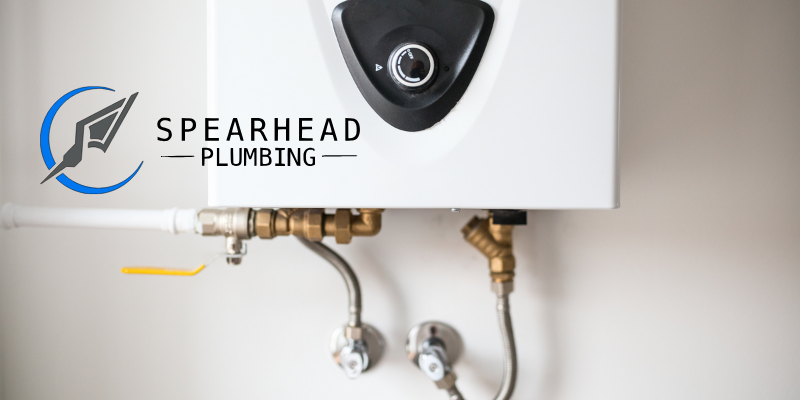
Shutoff valves and control valves often leak at the stem or body. These leaks frequently occur behind walls or inside cabinets.
Valve issues are commonly identified during plumbing inspections.
Worn Appliance Supply Lines
Dishwashers, washing machines, and refrigerators rely on flexible supply lines that degrade over time. Small leaks often occur behind appliances.
Drain Leaks
Cracked or improperly sealed drain pipes can leak wastewater into walls or floors without noticeable surface water.
Drain-related issues often overlap with toilet and drain repair.
How Plumbers Detect Hidden Leaks
Visual and Moisture Inspection
Plumbers look for subtle signs such as staining, corrosion, and material deterioration.
Water Pressure Testing
Pressure testing helps identify leaks by monitoring pressure drops when water is shut off.
Acoustic Leak Detection
Specialized equipment listens for the sound of water escaping pipes inside walls or under floors.
Thermal Imaging
Thermal cameras identify temperature differences caused by moisture, revealing leaks without opening walls.
Targeted Access
Once the leak is located, minimal access is used to complete repairs and limit damage.
These techniques are central to professional leak repair services.
Why DIY Leak Detection Often Fails
Homeowners may attempt to locate leaks by looking for visible water or using moisture meters. While helpful in some cases, these methods rarely identify deep or intermittent leaks.
DIY efforts often delay professional diagnosis, allowing mold growth to worsen.
The Role of Plumbing Inspections in Mold Prevention
Routine plumbing inspections are one of the most effective ways to prevent mold caused by hidden leaks.
During inspections, plumbers evaluate:
- Supply and drain connections
- Valve condition
- Water pressure
- Appliance hookups
- Signs of moisture or corrosion
Early detection stops leaks before mold can establish itself.
Missouri-Specific Factors That Increase Mold Risk
Humidity Levels
Missouri’s humidity accelerates mold growth once moisture is present.
Seasonal Temperature Changes
Condensation and pipe expansion increase leak risk during seasonal transitions.
Older Housing Stock
Many homes in St. Charles County have aging plumbing hidden behind finished walls.
Hard Water
Mineral buildup contributes to valve and pipe failure, increasing leak risk.
What To Do If You Suspect a Hidden Leak
If you suspect a hidden plumbing leak:
- Avoid opening walls yourself
- Monitor water usage closely
- Document odors or symptoms
- Contact a professional plumber
- Act quickly to limit moisture exposure
Delaying action allows mold to spread.
How Spearhead Plumbing Helps Prevent Mold Damage
Spearhead Plumbing focuses on early leak detection and precise repairs. Their team identifies the source of moisture, repairs the plumbing issue, and helps homeowners stop damage before mold spreads.
Their services are part of comprehensive plumbing services in St. Charles designed to protect homes from long-term damage.
Coordinating Plumbing Repair and Mold Remediation
Stopping the leak is the first and most important step. Mold remediation should only occur after the plumbing issue is fully resolved.
Plumbers and remediation specialists often work together to ensure moisture does not return.
Preventing Hidden Leak Problems in the Future
- Schedule annual plumbing inspections
- Replace aging valves and supply lines
- Address pressure issues promptly
- Monitor water bills
- Investigate musty odors immediately
Preventative maintenance significantly reduces mold risk.
When Immediate Action Is Required
Contact a professional immediately if:
- You smell persistent musty odors
- Floors feel soft or warped
- Walls show unexplained staining
- Water bills increase suddenly
- Mold appears without obvious water damage
These are strong indicators of hidden plumbing leaks.
Final Thoughts
Hidden plumbing leaks are among the most damaging problems a home can face because they operate silently. By the time mold becomes visible, moisture has often been present for a long time.
Understanding how these leaks occur and recognizing early warning signs allows homeowners to act before damage escalates.
If you suspect a hidden plumbing leak or unexplained mold growth, Spearhead Plumbing is ready to help.
Contact Spearhead Plumbing today to schedule a leak inspection and protect your home from mold-related damage.