
DIY Plumbing Fixes That Are Safe vs. Ones That Usually Make Things Worse

DIY plumbing advice is everywhere. Some of it is helpful. Much of it is incomplete, risky, or flat-out wrong when applied to real homes with aging pipes, hard water, and unknown conditions behind walls. The result is a pattern plumbers see every week: a small, fixable issue turns into a larger repair because the wrong DIY approach was used.
For homeowners in St. Charles County and across Missouri, the key is not avoiding DIY entirely. The key is knowing which fixes are genuinely safe to attempt and which ones commonly make problems worse.
This guide breaks down safe DIY plumbing tasks, risky fixes that often backfire, and clear signs it is time to call a professional.
Why DIY Plumbing Sometimes Works and Sometimes Fails
Plumbing systems are interconnected. What happens at one fixture often affects pressure, drainage, and stress elsewhere in the system. DIY fixes fail when they treat a symptom without understanding the system behind it.
Safe DIY tasks are typically:
- Surface-level
- Reversible
- Low-pressure
- Low-risk if done incorrectly
Risky DIY attempts usually involve:
- Pressurized water lines
- Structural pipe changes
- Chemical reactions
- Hidden components
- Temporary materials used permanently
Understanding this difference prevents most DIY disasters.
DIY Plumbing Fixes That Are Generally Safe
These tasks are low risk when done carefully and stopped at the first sign of trouble.
Replacing Faucet Aerators
Aerators clog easily with mineral buildup in Missouri’s hard water.
Safe because:
- They are external components
- No pipe disassembly required
- No risk of flooding
What to watch for:
- Mineral flakes indicating deeper buildup
- Reduced pressure after cleaning
If pressure issues persist, a professional inspection may be needed through plumbing inspections.
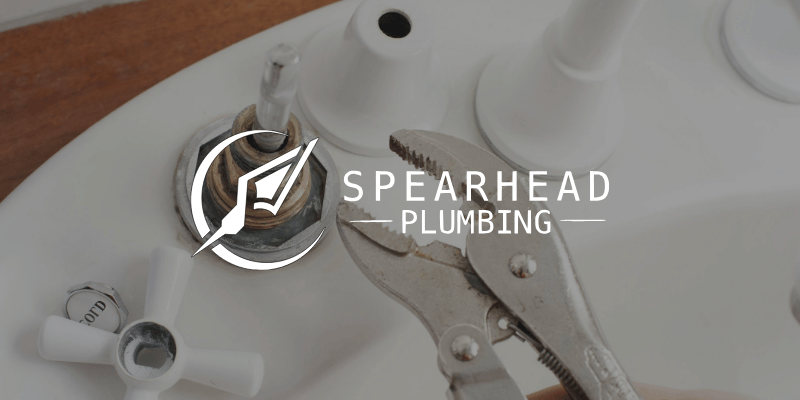
Tightening Loose Faucet Handles or Trim
Loose handles often just need tightening.
Safe because:
- No water line exposure
- Cosmetic access only
- Easy to reverse
Stop if:
- Water leaks after tightening
- Handle resists movement
- Internal components appear damaged
These issues often point to valve wear handled through plumbing fixture services.
Clearing Minor Hair Clogs at the Surface
Removing visible hair from shower drains is safe.
Safe because:
- No chemicals required
- No pipe disassembly
- Immediate results
Avoid:
- Pushing debris deeper
- Using rigid tools that can crack older pipes
If slow drains persist, professional toilet and drain repair may be necessary.
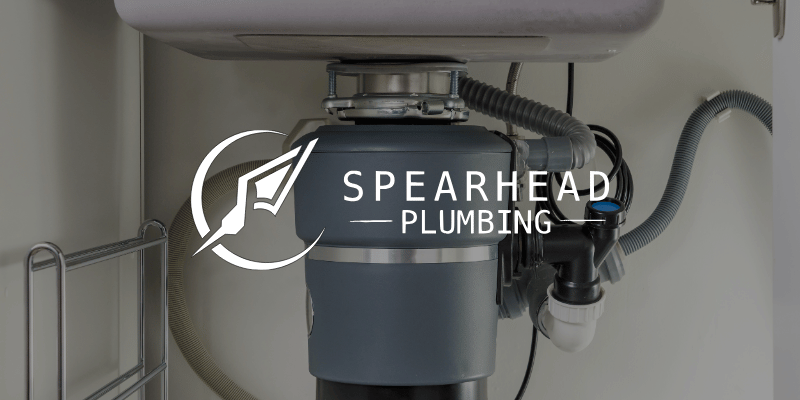
Resetting a Tripped Garbage Disposal
Many disposals stop due to overload.
Safe because:
- Reset button is designed for homeowner use
- No plumbing disassembly
Stop if:
- Disposal hums without spinning
- Water leaks underneath
- Grinding noises persist
Further issues often require professional service rather than repeated resets.
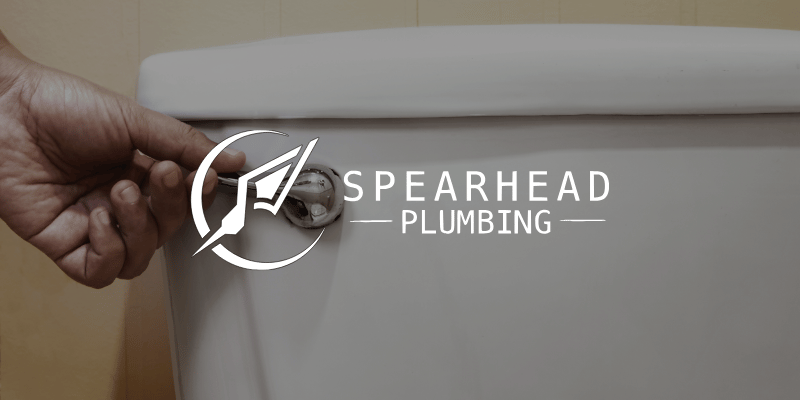
Replacing Toilet Flappers or Fill Valves
Internal toilet components are designed to be replaceable.
Safe because:
- No pipe cutting
- Low pressure
- Shutoff valve isolates water
Stop if:
- Shutoff valve will not close
- Water leaks after replacement
- Tank cracks or fittings corrode
Toilet repairs that escalate are best handled through toilet repair services.
DIY Plumbing Fixes That Often Make Things Worse
These are the repairs plumbers most often see after damage has already occurred.
Using Chemical Drain Cleaners
This is one of the most common and damaging DIY mistakes.
Why it backfires:
- Chemicals do not remove blockages fully
- They harden grease and soap deeper in pipes
- They corrode metal pipes
- They soften older PVC joints
Long-term result:
- Repeat clogs
- Pipe failure
- More expensive repairs
Persistent drain issues should be addressed with professional toilet and drain repair.
Over-Tightening Plumbing Connections
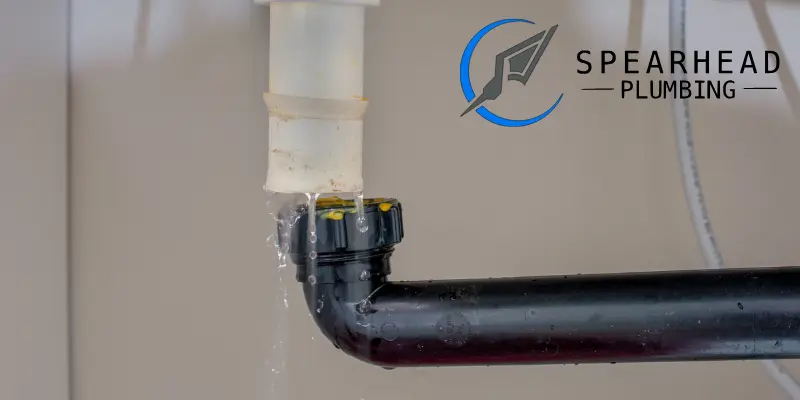
Many leaks worsen because fittings were overtightened.
Why it backfires:
- Cracks plastic fittings
- Warps rubber seals
- Splits older metal pipes
Leaks often appear days later rather than immediately.
Once fittings are damaged, replacement is usually required.
Replacing Shutoff Valves Without Experience
Valve replacement seems simple but often goes wrong.
Why it backfires:
- Old valves break when removed
- Pipes crack under torque
- Water cannot be fully shut off
- Emergency flooding occurs
Valve replacement should be handled through professional valve repair services.
Attempting Pipe Repairs With Tape or Sealants
Temporary fixes are often treated as permanent solutions.
Why it backfires:
- Tape fails under pressure
- Sealants crack over time
- Leaks worsen unnoticed
- Hidden water damage develops
These situations frequently lead to major leak repair services.
Snaking Drains Too Aggressively
Drain snakes can damage pipes when misused.
Why it backfires:
- Scratches protective pipe coatings
- Breaks through weakened sections
- Pushes clogs deeper
Professional equipment and technique matter.
Ignoring Water Pressure Issues
Homeowners often adjust fixtures without addressing pressure.
Why it backfires:
- High pressure stresses every joint
- Low pressure masks leaks
- Pressure surges cause pipe failure
Pressure issues should always be evaluated as part of full plumbing services in St. Charles.
DIY Fixes That Depend on the Age of Your Home
What is safe in a newer home may be risky in an older one.
Homes Over 20 Years Old
Older Missouri homes often have:
- Corroded pipes
- Mineral buildup
- Outdated materials
- Fragile joints
DIY work in these homes carries higher risk. Even simple tasks can trigger failures.
Homes With Hard Water
Mineral buildup changes how components behave. Parts may snap or seize unexpectedly.
Hard water damage often reveals itself during DIY attempts.
Homes With Previous Repairs
Mixed materials and past patchwork increase the chance of unexpected reactions.
Warning Signs to Stop DIY Immediately
Stop and call a professional if you notice:
- Water will not shut off fully
- Pipes move when touched
- Corrosion flakes appear
- Fittings crack or deform
- Water pressure changes suddenly
- Leaks worsen after adjustment
- Moldy or musty odors appear
Continuing past these signs usually multiplies repair costs.
Why DIY Often Misses the Real Problem
DIY focuses on what is visible. Plumbing failures often start where you cannot see.
Examples include:
- Leaks behind walls
- Partial drain blockages
- Pressure regulator failure
- Pipe corrosion upstream
- Venting problems
Fixing the visible symptom without addressing the cause allows damage to continue.
This is why plumbers approach issues system-wide rather than fixture by fixture.
How Professionals Decide Between Repair and Replacement
Plumbers evaluate:
- Pipe material and age
- Pressure levels
- Leak history
- Accessibility
- Long-term reliability
This prevents repeat failures and wasted money on short-term fixes.
When DIY Is a Good First Step
DIY is appropriate when:
- The task is isolated
- No pipes are cut
- Water pressure is controlled
- Components are designed for homeowner access
- You are prepared to stop immediately
Even then, inspections provide peace of mind.
When Calling a Plumber Saves Money
Calling a plumber early saves money when:
- Multiple fixtures are affected
- Problems recur
- Pressure is involved
- Leaks are hidden
- Drains slow across the house
- Valves do not function properly
These situations escalate quickly without expert diagnosis.
How Spearhead Plumbing Helps After DIY Goes Wrong
Spearhead Plumbing regularly repairs damage caused by well-intentioned DIY attempts. Their team identifies what failed, why it failed, and how to fix it properly the first time.
They focus on long-term solutions through comprehensive plumbing services in St. Charles rather than repeated patchwork repairs.
A Smarter DIY Mindset
DIY plumbing is not about doing everything yourself. It is about knowing your limits and protecting your home.
Safe DIY saves money. Risky DIY often doubles repair costs.
Understanding the difference is the real skill.
Final Thoughts
Some DIY plumbing fixes are reasonable and effective. Others are among the most common causes of preventable damage plumbers see.
Knowing which category a repair falls into before you start is what protects your home, your time, and your budget.
If you are unsure whether a plumbing issue is safe to fix yourself, that uncertainty is already your answer.
Spearhead Plumbing is ready to help when a job is bigger than DIY.
Contact Spearhead Plumbing today to schedule an inspection or professional repair and avoid turning a small problem into a major one.